
Botanic Garden | A British Design Icon
Launched in 1972, Botanic Garden was a revolutionary concept. While most dinner sets at the time featured a single, repeating pattern, Susan Williams-Ellis envisioned a "mix-and-match" garden where every plate, bowl, and cup could feature a different botanical specimen.
The Origin: A Mother’s Day Spark
The idea was born from the floral transfers Susan created for a 1971 Mother's Day plate. She was so struck by the vibrancy of the botanical art that she began scouring antique shops and libraries for 18th and 19th-century illustrations of plants, butterflies, and insects.
The Pioneer Motif: The African Daisy (Gazania Rigens) was the very first flower to be adapted for the range.
The "Drum" Shape: To provide a modern canvas for these historic illustrations, Susan used the Drum shape, a refined version of her earlier Meridian design. Its flat, upright sides were perfect for showcasing the verticality of the plant stems.
The Iconic Green Leaf Border
Perhaps the most recognised element of the design is the green laurel leaf border.
The Trademark: This border was so successful at "framing" the diverse floral motifs that it eventually became the official company logo for Portmeirion.
Unity in Diversity: The border provides the visual "glue" that allows a table set with dozens of different flowers to look cohesive and organised.
A Record-Breaking Success
Botanic Garden isn't just a design; it's an economic powerhouse. For decades, it has accounted for approximately half of Portmeirion’s total turnover. Its appeal spans generations and continents, particularly in North America and Korea, where it is often passed down as a family heirloom.
Collector’s Insight: The "Retired" Hunt
Because the range has been in production since 1972, there is a vast world of variations for collectors to explore:
Retired Motifs: Over the years, dozens of flowers have been "retired" from production (such as the Easter Lily or Slender-Leaved Mustard), making these specific pieces highly collectable.
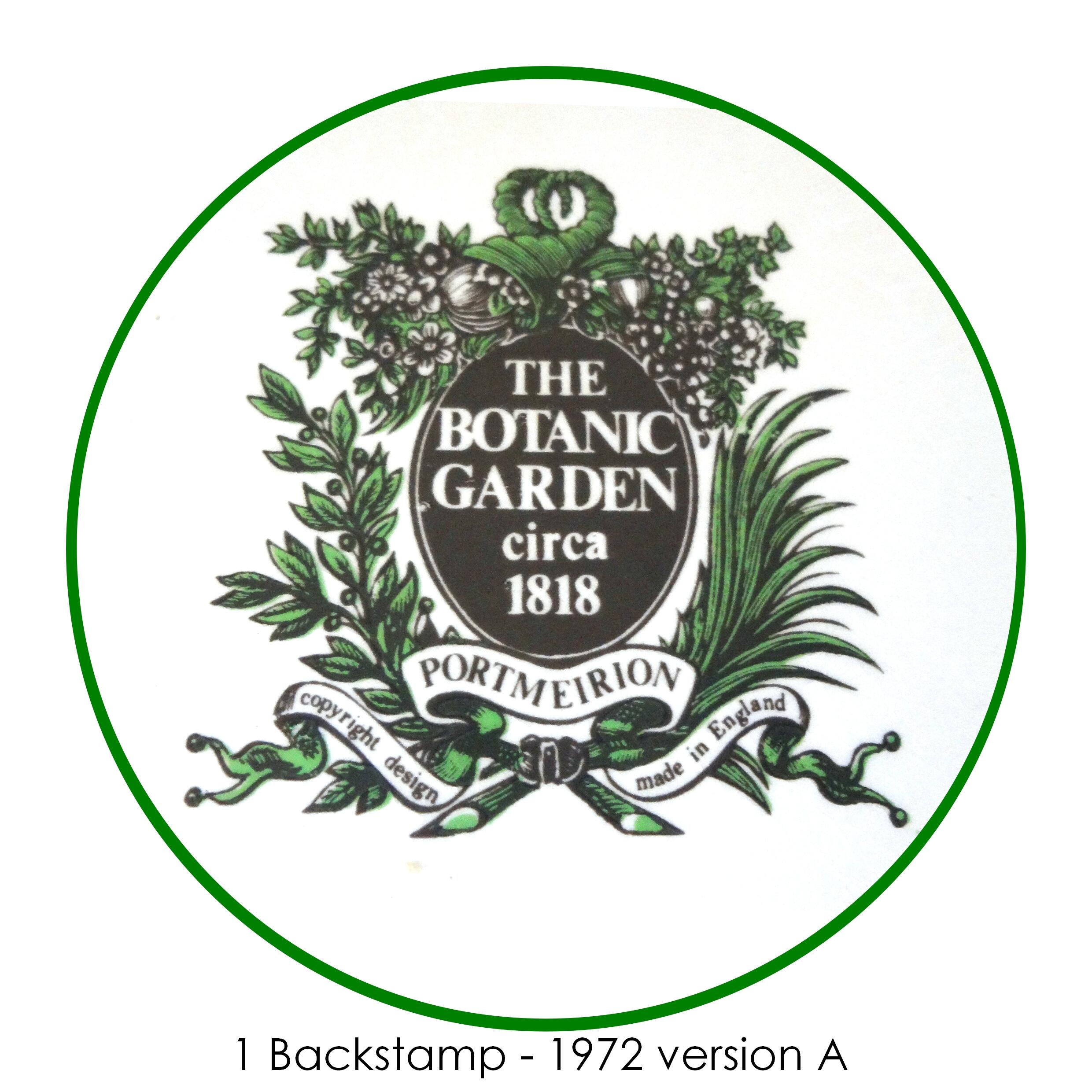
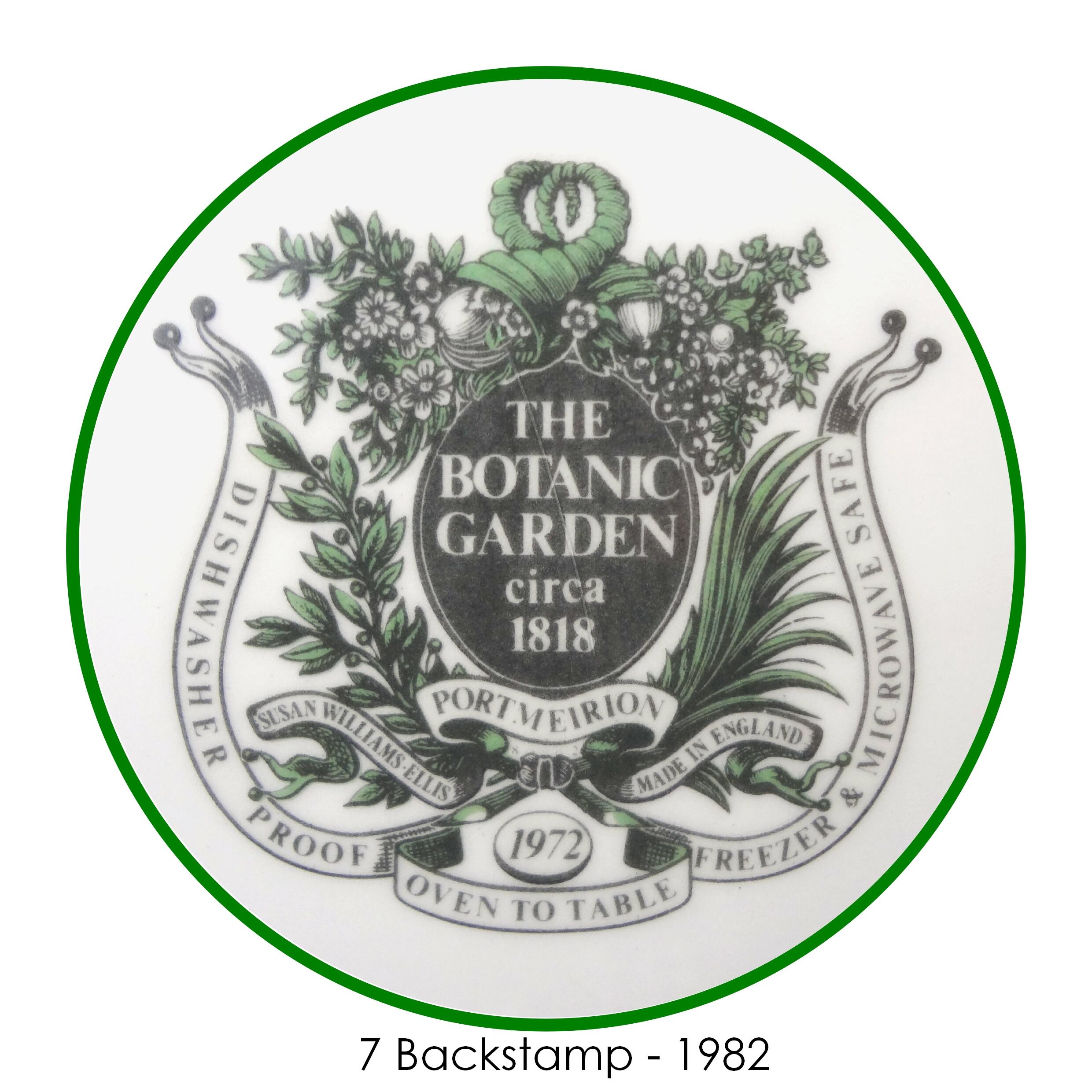
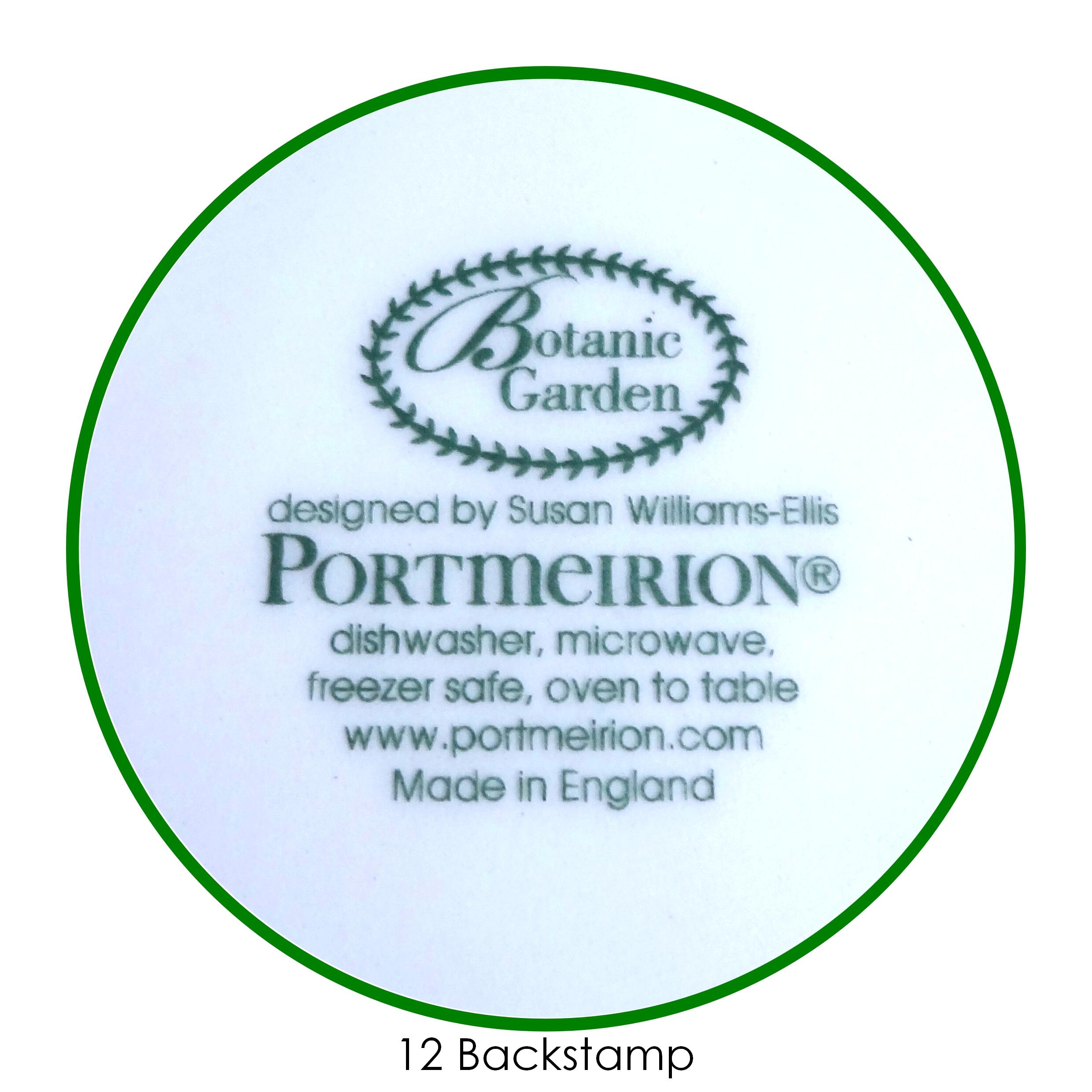
The "Backstamp" Timeline: Early 1970's pieces can be identified by their specific backstamps and the slightly different "weight" of the transfer prints.
Accessories: Beyond plates, the range expanded into everything from clocks and cutlery to textiles and furniture, making it one of the most comprehensive "lifestyle" brands in history.
At Purely Portmeirion, we specialise in sourcing these hard-to-find Portmeirion replacements and rare discontinued flower motifs—from the original African Daisy (the very first motif) to the sought-after Passion Flower and Easter Lily. Whether you are looking to replace a broken piece from a 1970's set or searching for rare Paul Cardew for Portmeirion collaborations, our authenticated collection ensures you find genuine vintage quality.
Expert Tip for Collectors: How to Identify Vintage Botanic Garden patterns and backstamps by using our own handy Botanic Garden Motif and Backstamp Guide.
 |  |  |
184 Products
Paul Cardew Portmeirion One Cup Teapot, Christmas Fireplace, SM4-TP305
A vintage Portmeirion One Cup Collectable Teapot, Botanic Garden Christmas Fireplace, By Paul Cardew DesignA really fantastic one cup teapot called "C...
£45.00View details

Paul Cardew Portmeirion One Cup Teapot, Sideboard, SM4-TP298-300
A vintage Portmeirion One Cup Collectable Teapot, Botanic Garden Sideboard, By Paul Cardew DesignA really fantastic one cup teapot called "Sideboard" ...
£35.00View details

Paul Cardew Portmeirion One Cup Teapot, Welsh Dresser, SM4-TP292-293
A vintage Portmeirion One Cup Collectable Teapot, Botanic Garden Welsh Dresser, By Paul Cardew DesignA really fantastic one cup teapot called "Welsh D...
£35.00View details
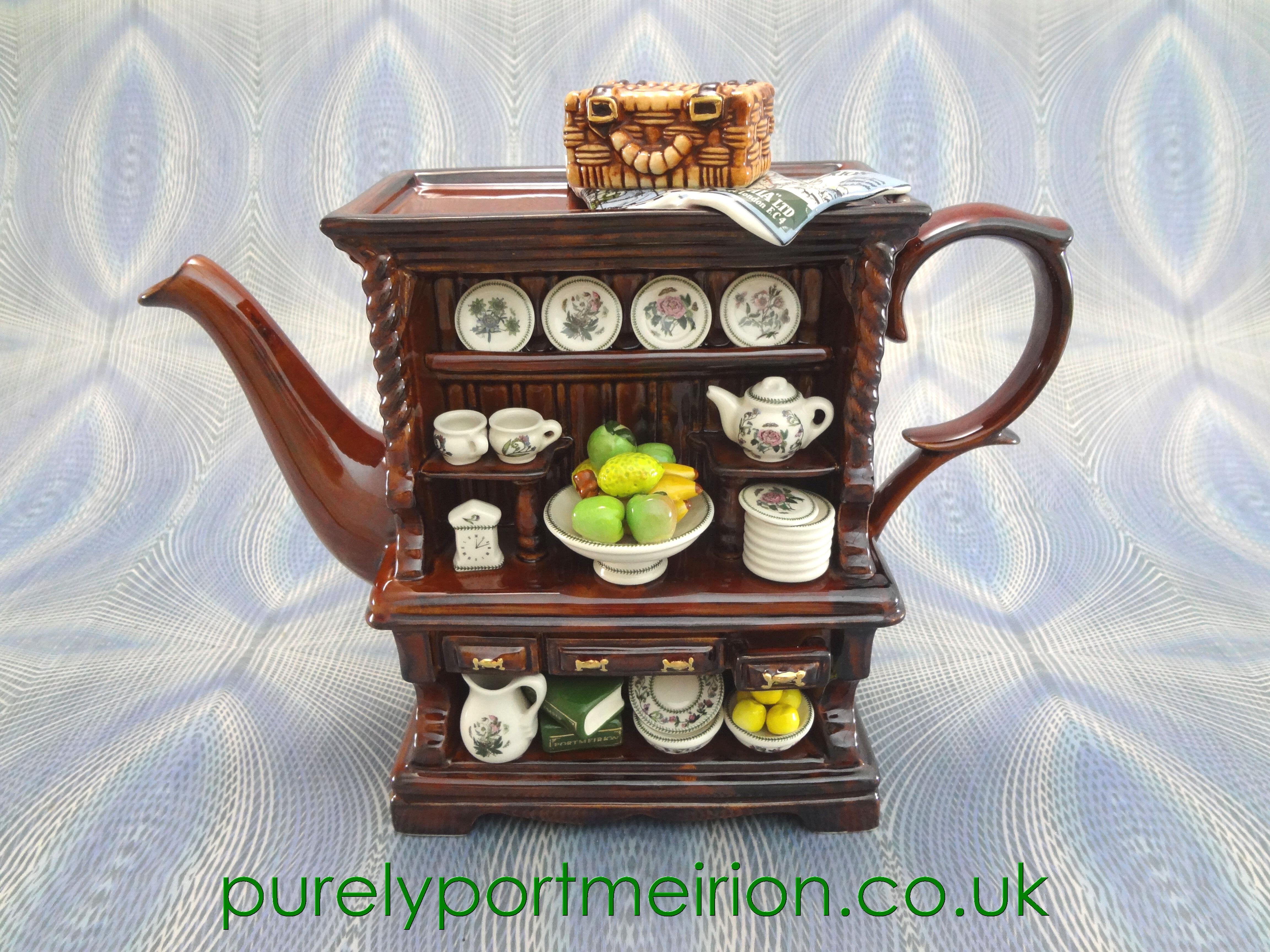
Paul Cardew Portmeirion Teapot, Large Welsh Dresser, TP71
A Portmeirion Limited Edition Collectable Teapot, Botanic Garden Large Welsh Dresser, By Paul Cardew DesignA really fantastic large teapot called "Wel...
£135.00View details

Portmeirion Botanic Garden 13 Inch Low Open Bowl, Lilac, BG954
Botanic Garden Low Open Bowl – Designed by Susan Williams-EllisThe DesignOwn a piece of British design history. This Botanic Garden low open bowl feat...
£55.00View details

Portmeirion Botanic Garden 13 Inch Low Open Bowl, Passion Flower, BG651
Botanic Garden 13 Inch Low Open Bowl – Designed by Susan Williams-EllisThe DesignOwn a piece of British design history. This Botanic Garden low open b...
£55.00View details

Portmeirion Botanic Garden 6 Ounce Covered Conserve Dish 1973, BG249
A Vintage Portmeirion Botanic Garden Covered Conserve Dish, Forget Me Not From 1973, Designed By Susan Williams-Ellis.This is a vintage Portmeirion Bo...
£15.00View details

Portmeirion Botanic Garden 7.5 Inch Salad Bowl, Convolvulus, BG179
A Vintage Portmeirion Botanic Garden 7.5 Inch Salad Bowl, Convolvulus, Designed By Susan Williams-Ellis.This is a vintage Portmeirion Botanic Garden s...
£35.00View details

Portmeirion Botanic Garden 8 Inch Storage Jar No1, African Daisy, BG102
Botanic Garden 8 Inch Storage Jar No1 Size – Designed by Susan Williams-EllisThe DesignOwn a piece of British design history. This Botanic Garden stor...
£35.00View details
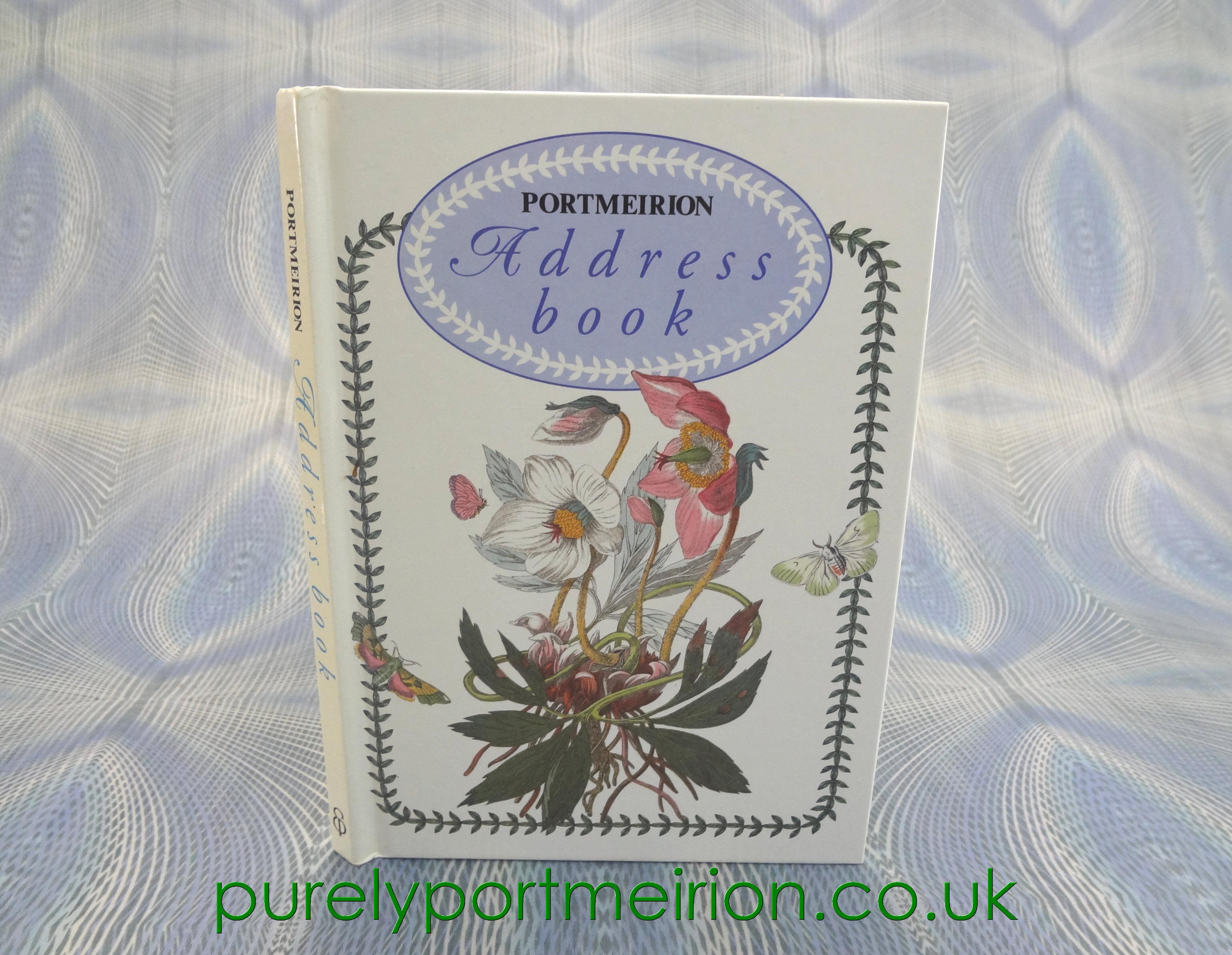
Portmeirion Botanic Garden Address Book, BKS32
A Portmeirion Botanic Garden Address Book.This book is in excellent condition.Approx Dimensions:-6.25 in (16 cm) x 8.5 in (22 cm)
£9.95View details

Portmeirion Botanic Garden Cake Slice, Rhododendron, BG761
Botanic Garden Cake Slice – Designed by Susan Williams-EllisThe DesignOwn a piece of British design history. This Botanic Garden cake slice features t...
£10.00View details
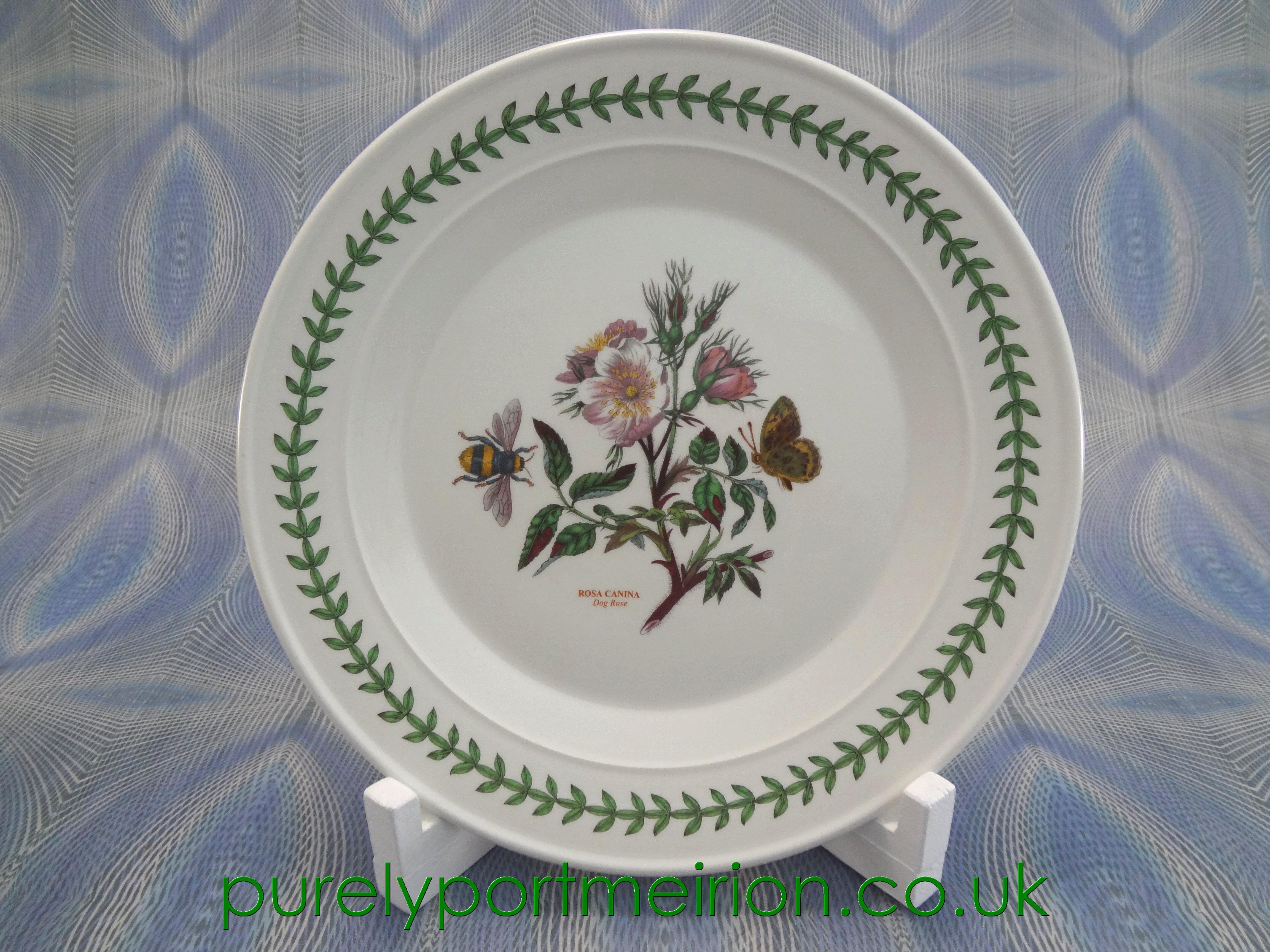
Portmeirion Botanic Garden Charger Plate, Dog Rose, BG1023
Botanic Garden Charger Plate, Rare – Designed by Susan Williams-EllisThe DesignOwn a piece of British design history. This Botanic Garden charger plat...
£40.00View details

Portmeirion Botanic Garden Charger Plate, Eastern Hyacinth, BG1022
Botanic Garden Charger Plate, Rare – Designed by Susan Williams-EllisThe DesignOwn a piece of British design history. This Botanic Garden charger plat...
£40.00View details
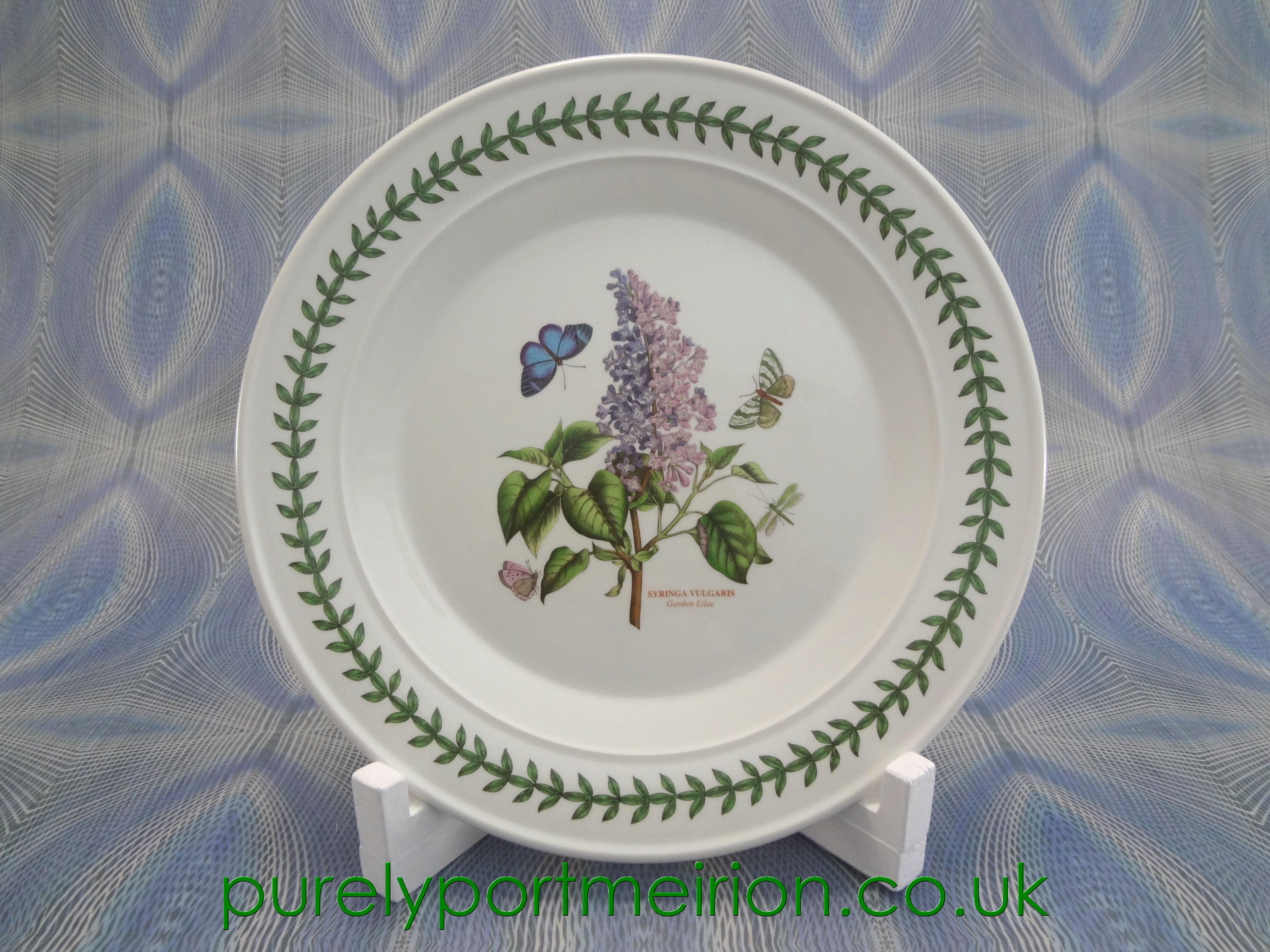
Portmeirion Botanic Garden Charger Plate, Garden Lilac, BG1016
Botanic Garden Charger Plate, Rare – Designed by Susan Williams-EllisThe DesignOwn a piece of British design history. This Botanic Garden charger plat...
£40.00View details
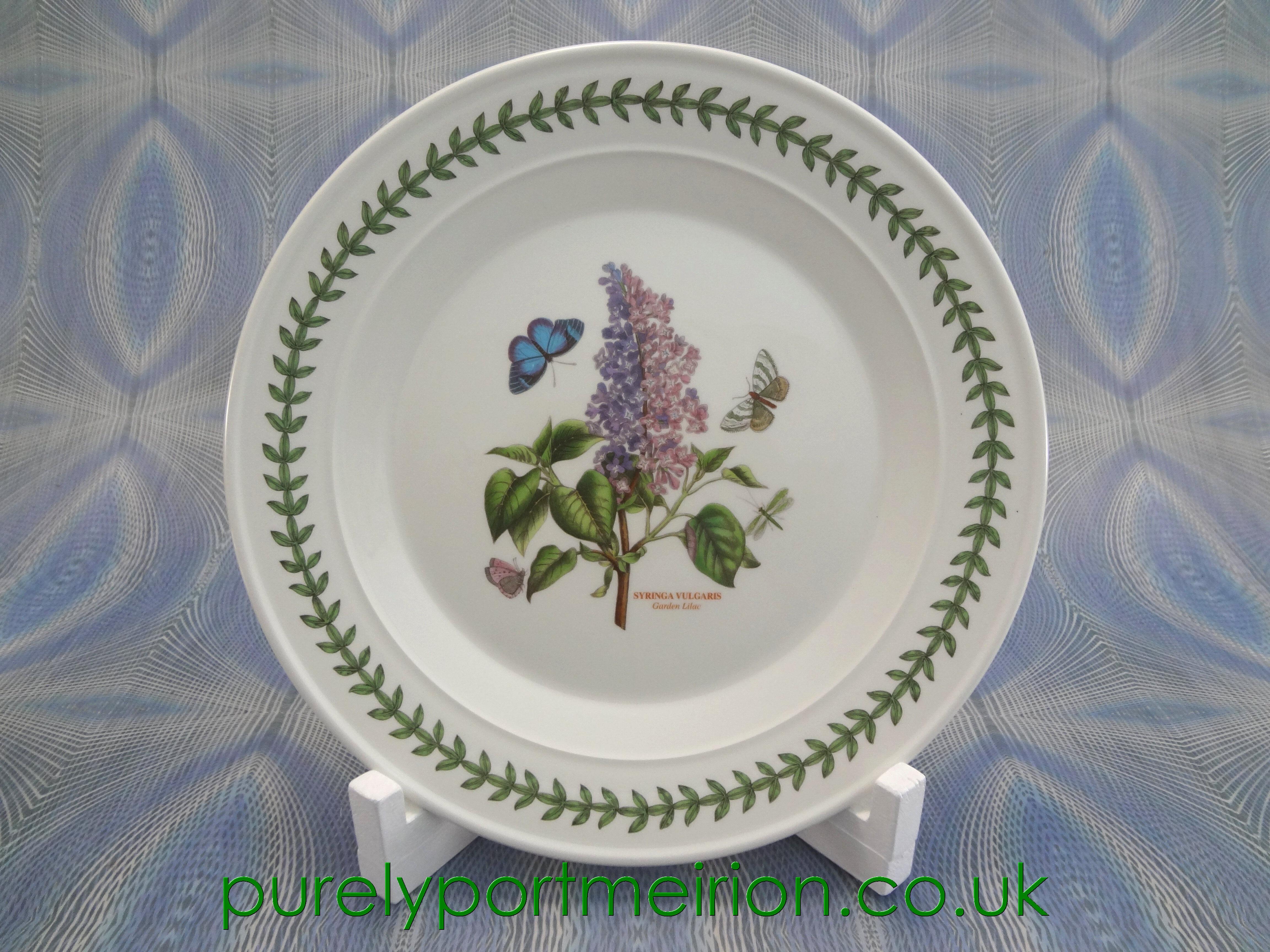
Portmeirion Botanic Garden Charger Plate, Garden Lilac, BG1017
Botanic Garden Charger Plate, Rare – Designed by Susan Williams-EllisThe DesignOwn a piece of British design history. This Botanic Garden charger plat...
£40.00View details

Portmeirion Botanic Garden Charger Plate, Gazania, BG1018
Botanic Garden Charger Plate, Rare – Designed by Susan Williams-EllisThe DesignOwn a piece of British design history. This Botanic Garden charger plat...
£40.00View details
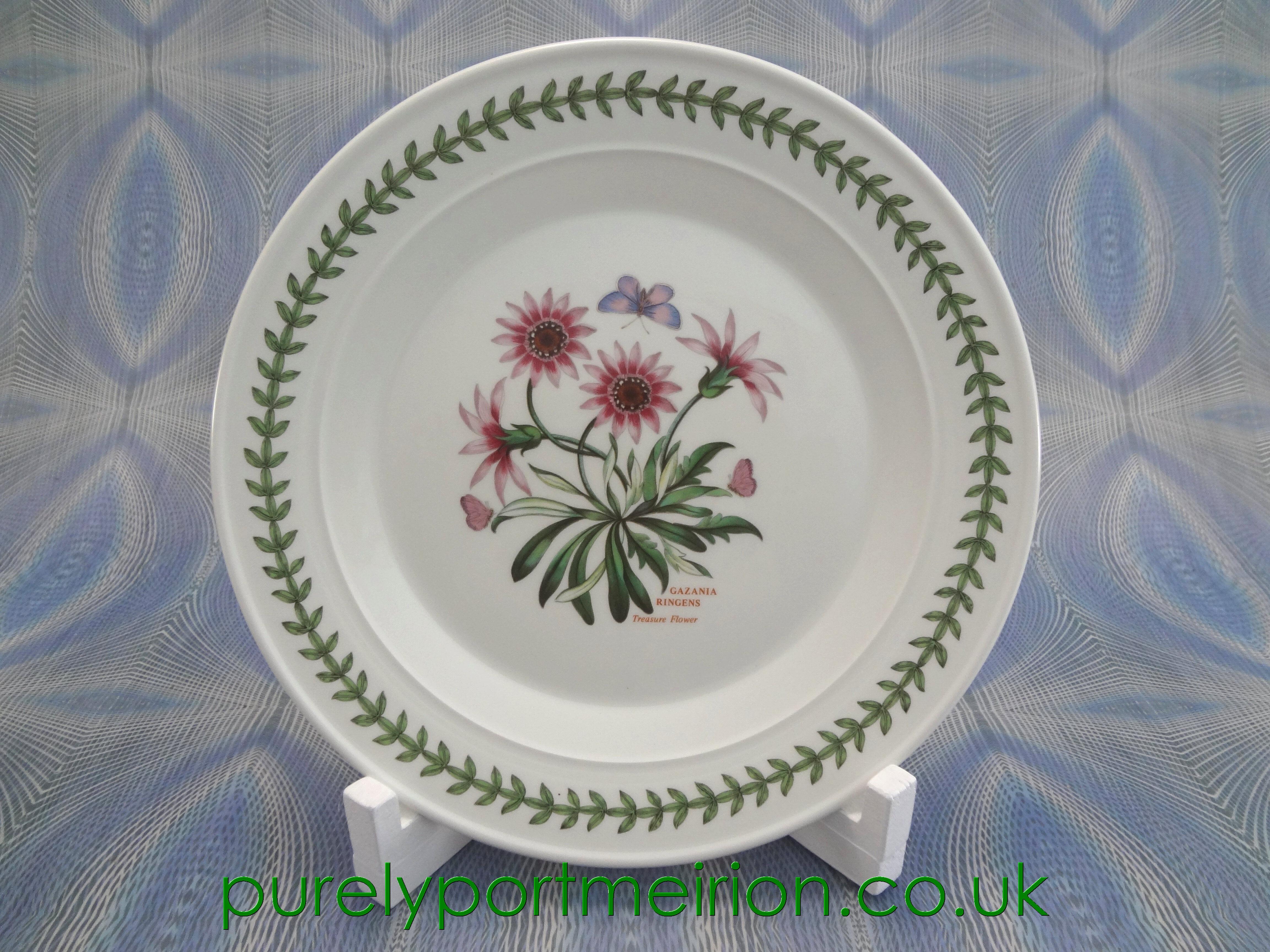
Portmeirion Botanic Garden Charger Plate, Gazania, BG1019
Botanic Garden Charger Plate, Rare – Designed by Susan Williams-EllisThe DesignOwn a piece of British design history. This Botanic Garden charger plat...
£40.00View details
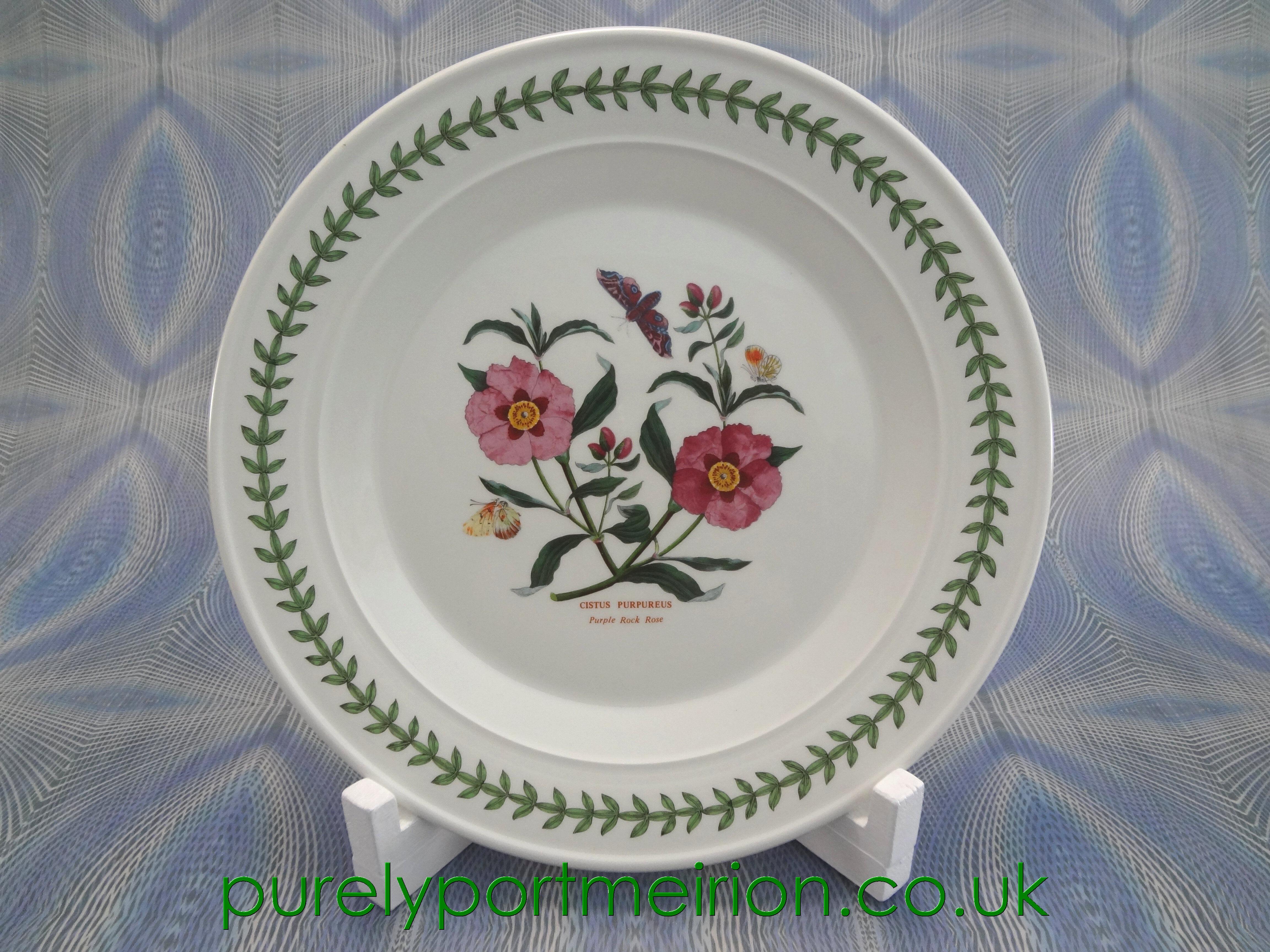
Portmeirion Botanic Garden Charger Plate, Purple Cistus, BG1020
Botanic Garden Charger Plate, Rare – Designed by Susan Williams-EllisThe DesignOwn a piece of British design history. This Botanic Garden charger plat...
£40.00View details
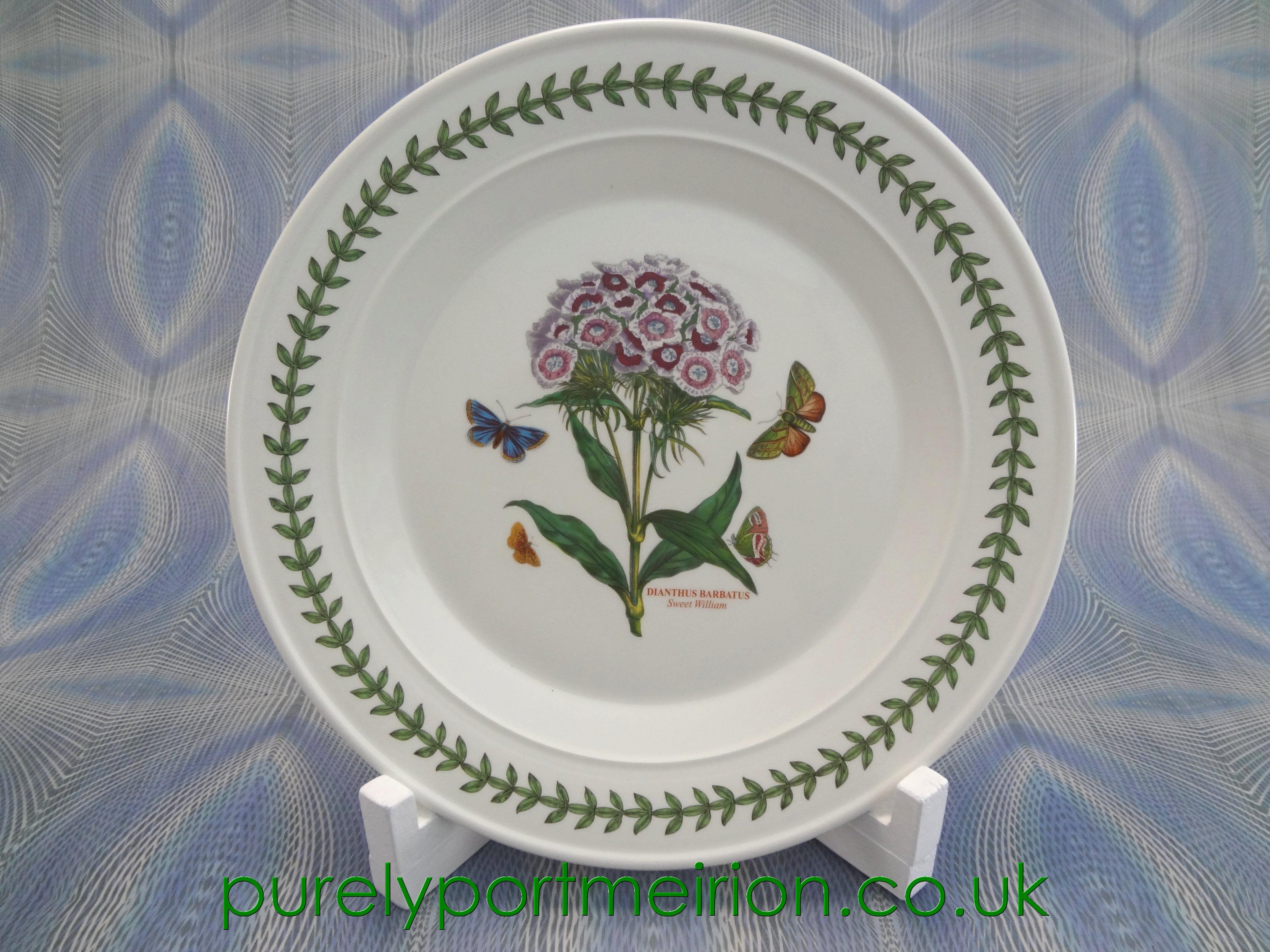
Portmeirion Botanic Garden Charger Plate, Sweet William, BG1021
Botanic Garden Charger Plate, Rare – Designed by Susan Williams-EllisThe DesignOwn a piece of British design history. This Botanic Garden charger plat...
£40.00View details

Portmeirion Botanic Garden Chintz Tea Towel, BG697-702
A lovely Portmeirion Botanic Garden Chintz Multi Motif Tea Towel By Pimpernel.This is a Portmeirion Botanic Garden multi motif tea towel. Made from hi...
£6.95View details
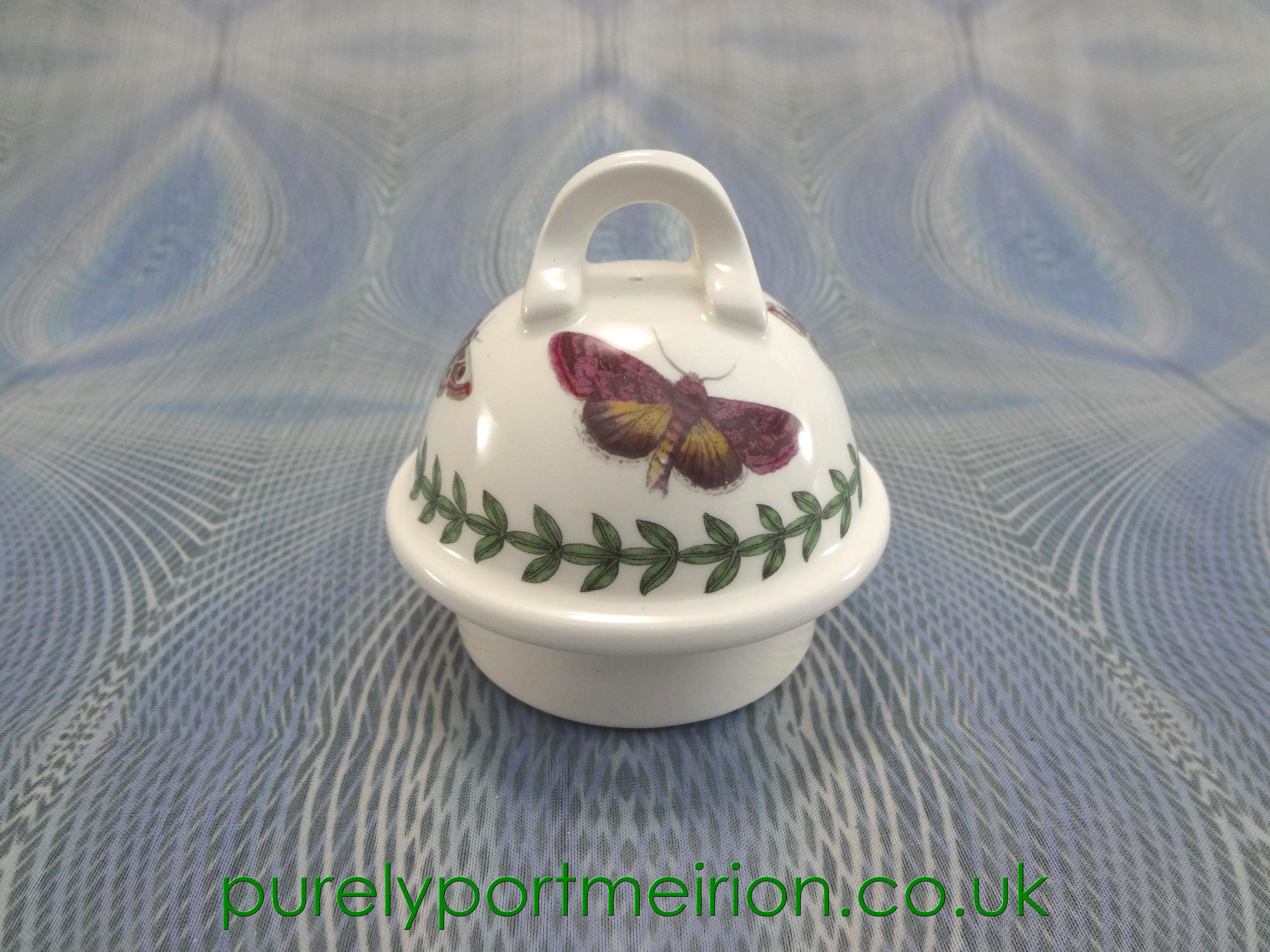
Portmeirion Botanic Garden Coffee Pot Lid, BG364
Botanic Garden 2.75 Pint Coffee Pot Lid Only – Designed by Susan Williams-EllisThe DesignOwn a piece of British design history. This Botanic Garden co...
£25.00View details
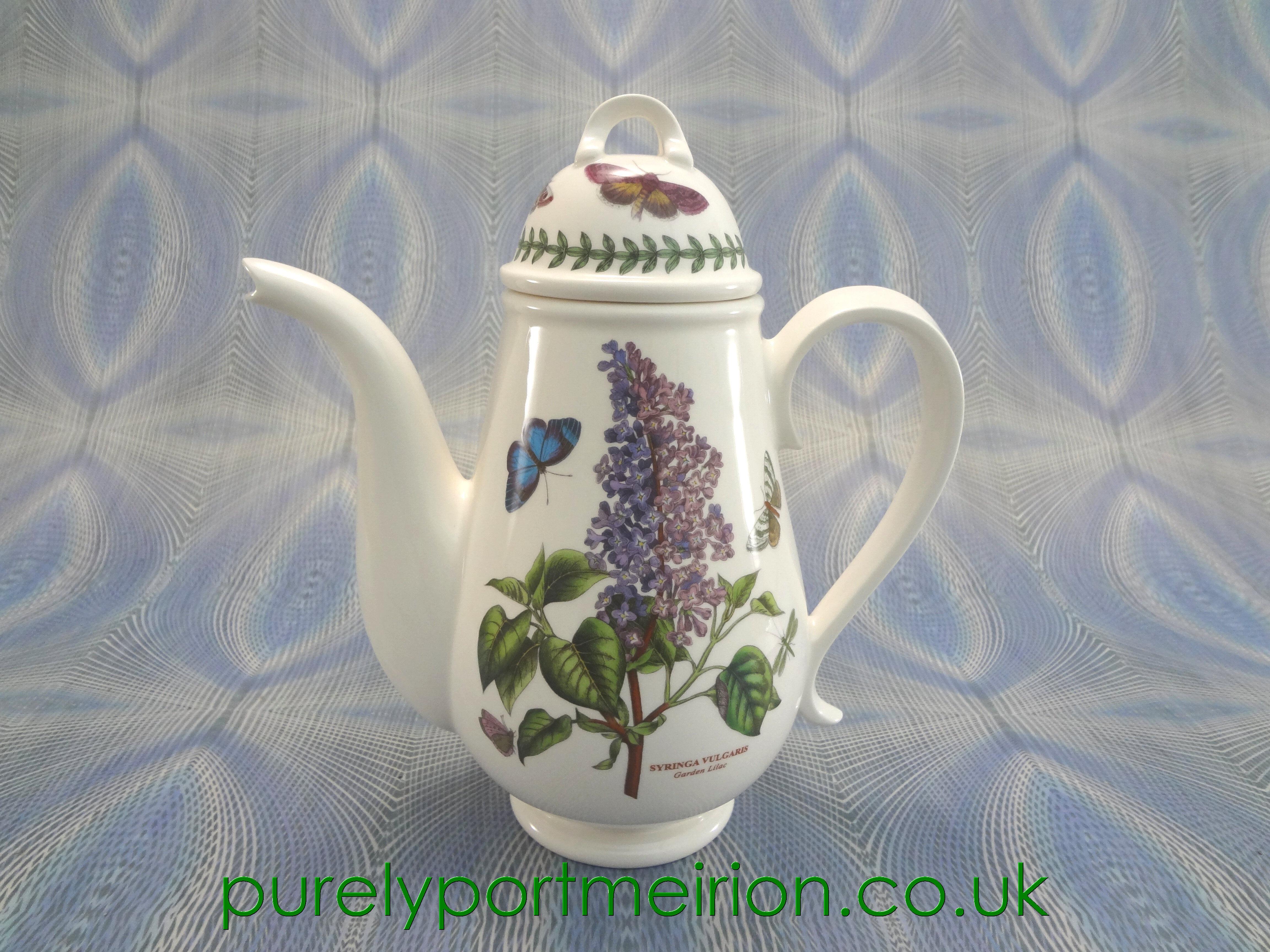
Portmeirion Botanic Garden Coffee Pot Lilac, BG358-363
Botanic Garden 2.75 Pint Coffee Pot Lilac New – Designed by Susan Williams-EllisThe DesignOwn a piece of British design history. This Botanic Garden c...
£75.00View details

Portmeirion Botanic Garden Collectors Club One Cup Coffee Pot, BG1122
Portmeirion One Cup Coffee Pot In Botanic Garden Design, Heartsease.This fantastic Romantic Shape one cup coffee pot is from the Botanic Garden range ...
£40.00View details

Portmeirion Botanic Garden Covered Sugar Bowl, Cotton Flower, BG1047
Botanic Garden Covered Sugar Bowl – Designed by Susan Williams-EllisThe DesignOwn a piece of British design history. This Botanic Garden covered sugar...
£16.00View details
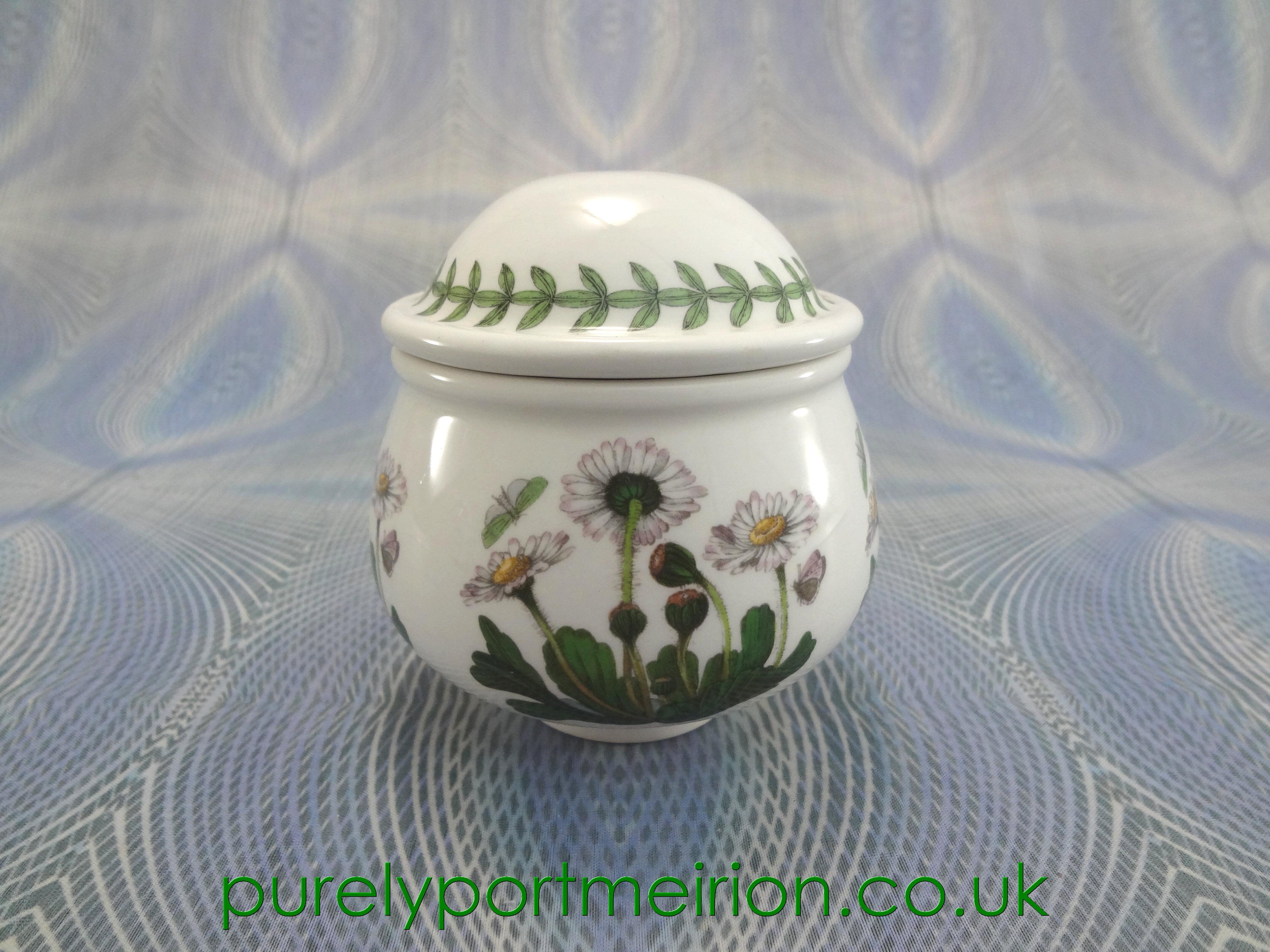
Portmeirion Botanic Garden Covered Sugar Bowl, Daisy, BG1196
Botanic Garden Covered Sugar Bowl – Designed by Susan Williams-EllisThe DesignOwn a piece of British design history. This Botanic Garden covered sugar...
£20.00View details
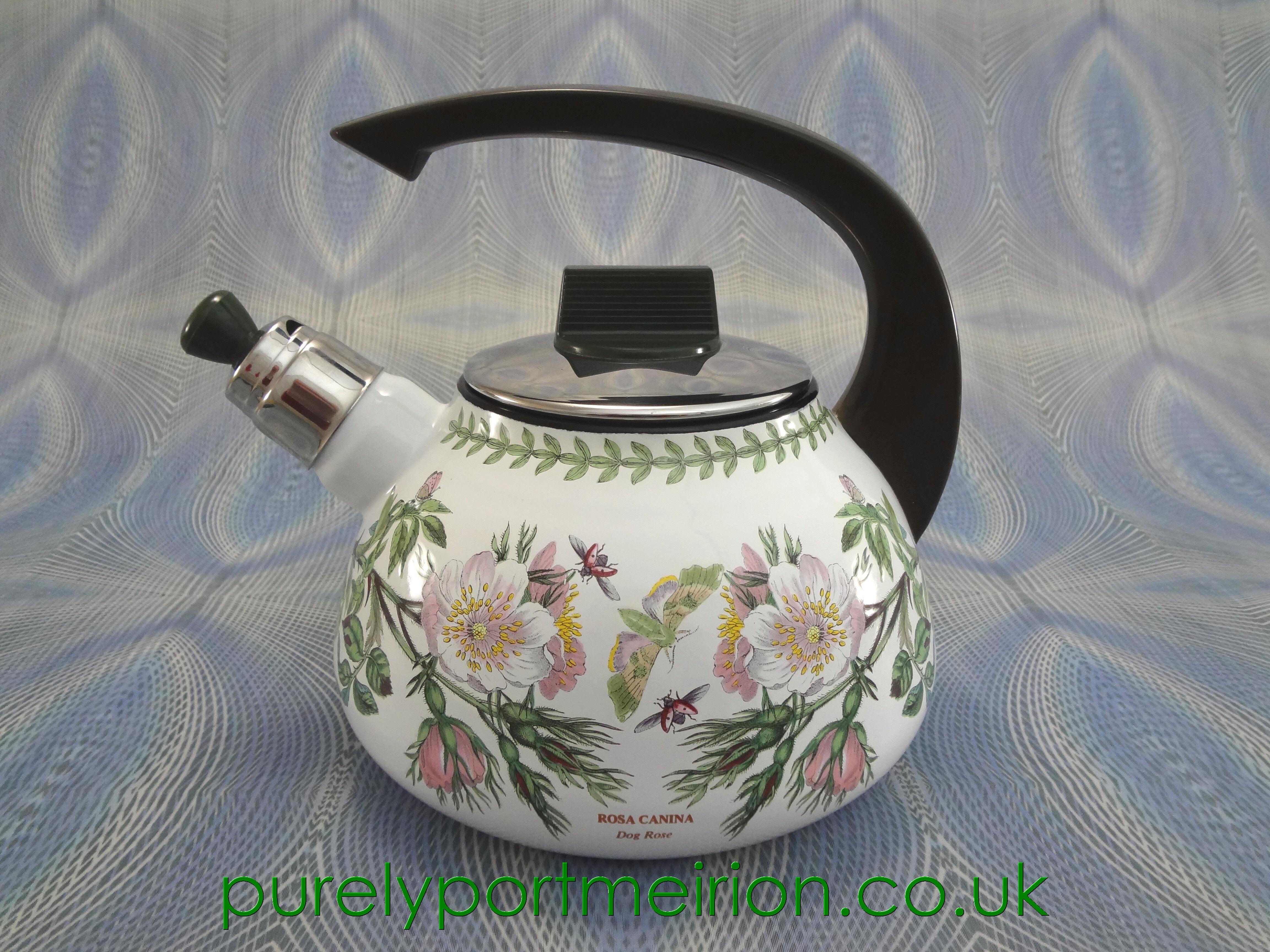
Portmeirion Botanic Garden Enamel Whistling Kettle, Dog Rose, BG1012
Botanic Garden Enamel Whistling Kettle, Rare Discontinued – Designed by Susan Williams-EllisThe DesignOwn a piece of British design history. This Bota...
£90.00View details

Portmeirion Botanic Garden Espresso Cup & Saucer Traditional Shape, BG44
Vintage Portmeirion Botanic Garden Espresso Cup And saucer, Traditional Shape, Designed By Susan Williams-Ellis.This is a vintage Portmeirion Botanic ...
£15.00View details

Portmeirion Botanic Garden Espresso Cup & Saucer Viola, BG271
Vintage Portmeirion Botanic Garden Espresso Cup And saucer from 1972, Viola Design, By Susan Williams-Ellis.This is a vintage Portmeirion Botanic Gard...
£15.00View details

Portmeirion Botanic Garden Flowers Of The Month Treasure Box, BG1112
A Portmeirion Botanic Garden Flowers Of The Month Round Treasure Box, Designed By Susan Williams-Ellis.This Portmeirion Botanic Garden Flowers Of The ...
£12.00View details

Portmeirion Botanic Garden Green Glass Charger Plate, BG1024-1027
A Portmeirion Botanic Garden Green Glass Charger Plate, Designed By Susan Williams-Ellis.A green glass charger plate from the options range of Botanic...
£35.00View details

Portmeirion Botanic Garden Herb Pot Special Decoration, Potentilla, SM-BG1077
A Portmeirion Botanic Garden Herb Pot Made In England Specifically For The Missouri Botanical Garden USA.A lovely little herb pot that was made specif...
£15.00View details

Portmeirion Botanic Garden Herb Pot Special Decoration, SM-BG1076
A Portmeirion Botanic Garden Herb Pot Made In England Specifically For The Missouri Botanical Garden USA.A lovely little herb pot that was made specif...
£15.00View details

Portmeirion Botanic Garden Hexagonal Trinket Box, BG311
A Vintage Portmeirion Botanic Garden Hexagonal Trinket Box In Fine Bone China, Designed By Susan Williams-Ellis.This is a vintage Portmeirion Botanic ...
£25.00View details

Portmeirion Botanic Garden Large Sandwich Tray, Clematis, BG1201
A Portmeirion Botanic Garden Two Handled Sandwich tray, Clematis, Designed By Susan Williams-Ellis.A Portmeirion Botanic Garden sandwich tray featurin...
£40.00View details

Portmeirion Botanic Garden Large Soup Plate Crocus And Snowdrop, BG757
Botanic Garden Large Soup Plate – Designed by Susan Williams-EllisThe DesignOwn a piece of British design history. This Botanic Garden soup plate feat...
£15.00View details

Portmeirion Botanic Garden Large Soup Plate Crocus, BG410
Botanic Garden Large Soup Plate – Designed by Susan Williams-EllisThe DesignOwn a piece of British design history. This Botanic Garden soup plate feat...
£15.00View details

Portmeirion Botanic Garden Leaf Shaped Aluminium Serving Dish, BG520
A Vintage Portmeirion Botanic Garden Leaf Shaped Aluminium Serving Dish/Plate.This is a beautiful Aluminium 8 inch round serving dish in a lovely cont...
£50.00View details

Portmeirion Botanic Garden Metal Single Leaf Plate, BG387
Vintage Portmeirion Metal Single Leaf Plate in Botanic Garden, By Susan Williams-EllisA beautiful single leaf plate individually cast in metal ware. P...
£25.00View details

Portmeirion Botanic Garden Multi Motif Tea Towel, BG704-707
A lovely Portmeirion Botanic Garden Multi Motif Tea Towel By Pimpernel.This is a Portmeirion Botanic Garden multi motif tea towel. Made from high qual...
£6.95View details

Portmeirion Botanic Garden Options Heart Shaped Dish, BG312
Portmeirion Botanic Garden Options Heart Shaped Serving Dish, By Susan Williams-Ellis.A heart shaped serving dish from Botanic Gardens Options range, ...
£30.00View details

Portmeirion Botanic Garden Options Heart Shaped Dish, BG313
Portmeirion Botanic Garden Options Heart Shaped Serving Dish, By Susan Williams-Ellis.A heart shaped serving dish from Botanic Gardens Options range, ...
£30.00View details

Portmeirion Botanic Garden Pair Of Coffee Cups & Saucers, Forgetmenot And Rhododendron, BG1208
Botanic Garden Pair Of Coffee Cups An Saucers – Designed by Susan Williams-EllisThe DesignOwn a piece of British design history. This Botanic Garden p...
£28.00View details

Portmeirion Botanic Garden Pair Of Coffee Cups & Saucers, Rhododendron, BG1207
Botanic Garden Pair Of Coffee Cups An Saucers – Designed by Susan Williams-EllisThe DesignOwn a piece of British design history. This Botanic Garden p...
£30.00View details

Portmeirion Botanic Garden Pair Of Espresso Cups & Saucers, Cyclamen And Rhododendron, BG1206
Botanic Garden Pair Of Espresso Cups And Saucers – Designed by Susan Williams-EllisThe DesignOwn a piece of British design history. These Botanic Gard...
£28.00View details

Portmeirion Botanic Garden Pair Of Espresso Cups & Saucers, Heartsease And Speedwell, BG1205
Botanic Garden Pair Of Espresso Cups And Saucers – Designed by Susan Williams-EllisThe DesignOwn a piece of British design history. This Botanic Garde...
£25.00View details

Portmeirion Botanic Garden Pottery Fruit Drainer And Stand, BG947
A Portmeirion Fruit Drainer And Stand Featuring Milkwort, Daisy, Cyclamen And Speedwell From The Botanic Garden Range.A Portmeirion fruit drainer with...
£50.00View details

Portmeirion Botanic Garden Pottery Large Planter Crocus and Snowdrop, BG306
Botanic Garden Large Planter – Designed by Susan Williams-EllisThe DesignOwn a piece of British design history. This Botanic Garden planter features t...
£40.00View details

Portmeirion Botanic Garden Pottery Lidded Jar, Speedwell, BG617
Botanic Garden Lidded Jar – Designed by Susan Williams-EllisThe DesignOwn a piece of British design history. This Botanic Garden lidded jar features t...
£18.00View details

Portmeirion Botanic Garden Pottery Planter No5 Size Speedwell, BG1194
A Vintage Portmeirion Botanic Garden Planter No5 Size, Speedwell, Designed By Susan Williams-Ellis.This is a vintage Portmeirion Botanic Garden No5 si...
£14.00View details

Portmeirion Botanic Garden Pottery Planter No6 Size Viola, BG615
A Vintage Portmeirion Botanic Garden Planter No6 Size, Viola, Designed By Susan Williams-Ellis.This is a vintage Portmeirion Botanic Garden No6 sized ...
£12.00View details